
Know your EV
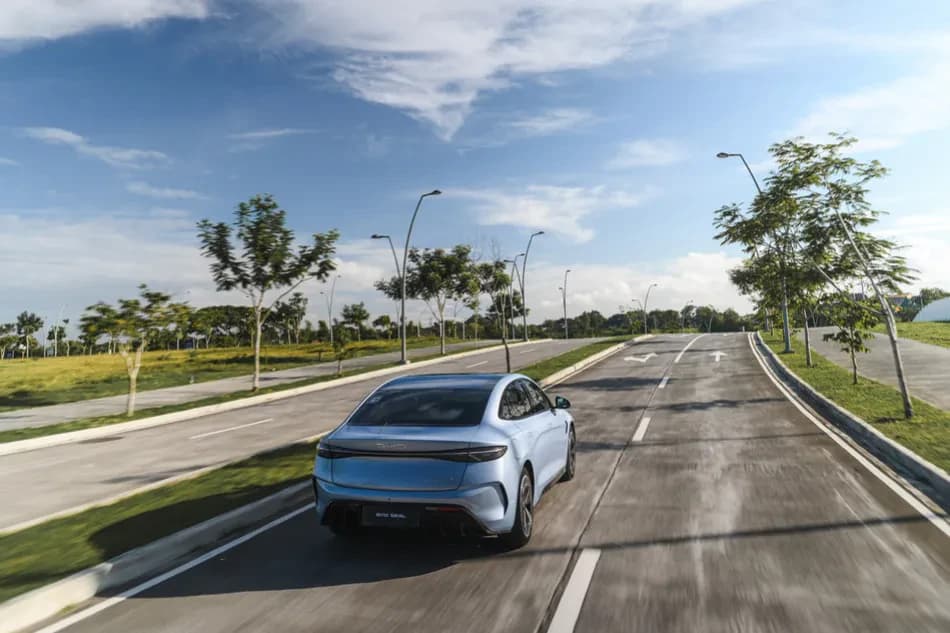
Updated DOE guidelines and classifications
What category does your new energy vehicle (NEV) fall under?
Here are the amended Department of Energy (DOE) guidelines for EVs—for if you want to delve deeper into how the Philippines classifies the many types of EVs you will encounter on local roads
There are now six classifications of electric vehicles (EVs) in the Philippines—up from the previous four—based on the amended Department of Energy (DOE) guidelines.
According to DOE Department Circular (DC) No. DC2025-09-0015, which is an amendment of the DC No. 2023-05-0012 and published on its website on last September 2025, EV classifications are namely:
Battery EVs (BEVs), or those with a traction battery as power source, including the pure electric vehicles.
Hybrid EVs (HEVs), or those with both rechargeable energy storage system (RESS) and a fueled power source, and have tailpipe emissions.
Light EVs (LEVs), or those used in micromobility such as electric scooters, electric bicycles or those that weigh less than 50kg.
Plug-in Hybrid EVs (PHEVs), or the HEVs with RESS that can be charged from an external energy source and have tailpipe emissions.
Range Extender/d EVs (REEVs), or the HEVs propelled by an electric motor only with a fueled power source specifically used for charging the RESS; and
Fuel Cell EVs (FCEVs), or those with no tailpipe emissions that use a fuel cell to generate power.
Previously, EVs were only classified as BEVs, HEVs, LEVs, and PHEVs. Does this help clear things up?
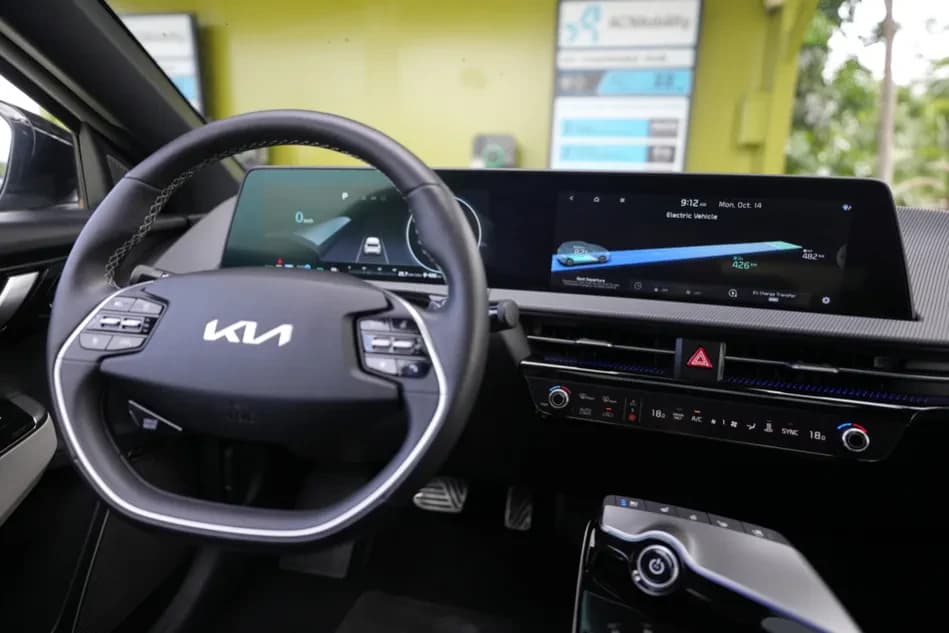
EV Battery Myth cost
Why does this myth surrounding EV batteries still persist?
This topic often comes up during conversations about EVs.
“EV batteries do not last and will need to be replaced in 3 years, and the cost is as much as a car.”
The truth of the matter is that Electric vehicles (EVs) have come a long way in recent years. While battery costs were once a major barrier to widespread EV adoption, the reality today tells a different story.
In the early 2010s, older EV models did indeed carry high battery costs, which influenced purchasing costs and public perception. Additionally, the media often focuses on rare battery replacement cases.
However, it’s important to note that current EV batteries are designed to last 10–15 years and will most likely outlast the vehicle itself.
EV manufacturers are also investing in battery recycling and second-life applications, which help extend battery value and reduce environmental impact. In Japan, for example, batteries from old hybrids are reused to store electricity from wind turbines or used as backup storage for solar-powered homes,
Consumers should be aware that while the initial purchase price of some EVs can still be higher than comparable gas cars, the total cost of ownership—including fuel savings and lower maintenance—can make EVs a more economical choice over time.
The idea that EV batteries are still prohibitively expensive is outdated. Thanks to advances in technology, battery costs are falling steadily, and their reliability has improved in leaps and bounds. BYD’s blade battery is proof of that. And if ever there is any doubt, BYD backs up its claims. All vehicles sold by BYD in the Philippines are covered by a 6-year, or 150,000-kilometer vehicle Warranty, an 8-year, or 160,000-kilometer Blade Battery warranty, and an 8-year, or 150,000-kilometer electric motor warranty. For Kia, you are coveted by a 5-year or 160,000 kilometers vehicle warranty, while the EV high-voltage battery has an 8-year or 160,000 kilometers warranty.
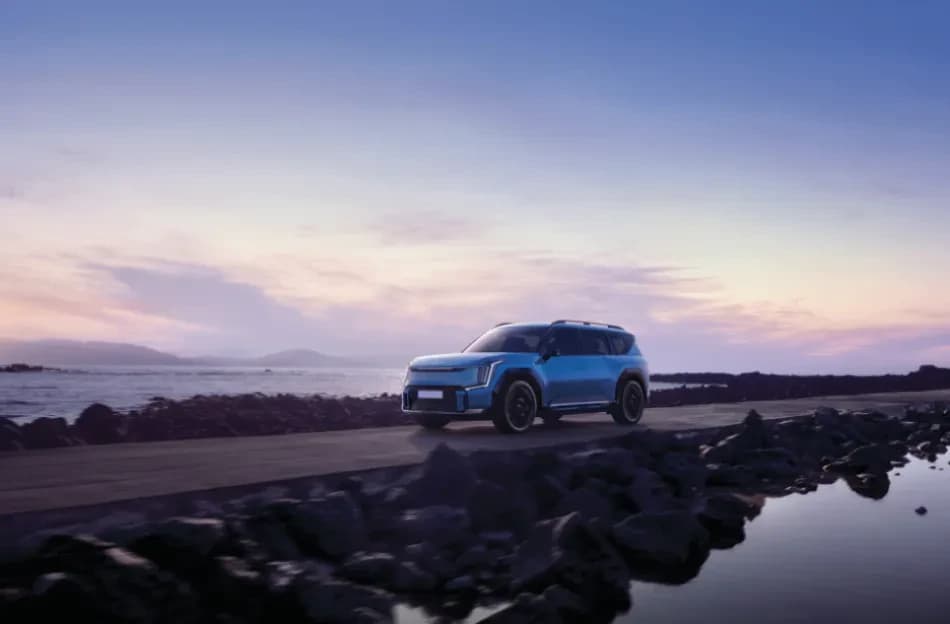
The early history of the Electric Vehicle
Did you know that
EV technology is not new. In fact, it even predates the modern internal combustion engine (ICE) as a form of propulsion. Car enthusiasts who are familiar with automotive history would know this, but for those curious, a visit to Jay Leno’s Garage on YouTube is an excellent resource. A few of these early electric cars still survive today and are maintained by Leno. Amazing how EV technology is almost as old as the car itself.
The history of the electric car spans a relatively brief time period and includes early innovation, periods of decline, and a major resurgence in the 21st century. ACMobility has embraced this latest shift to green motoring, and not only sells the world’s most innovative and modern EVs, but also continues to expand the nationwide EV charging network to support motorists who have chosen to go electric.
Here's a concise overview of the history of the EV:
Early History (1830s–1900s)
1830s–1840s: Inventors in Hungary, the Netherlands, and the U.S. developed early prototypes of small-scale electric vehicles (EVs), using non-rechargeable batteries.
1859: The invention of the rechargeable lead-acid battery by Gaston Planté made electric transport more practical.
1880s–1890s: Innovators like Thomas Parker in the UK and William Morrison in the U.S. built more functional electric vehicles. By the 1890s, electric taxis and passenger vehicles became common in cities like New York and London.
Golden Age (1900–1912)
By this time electric cars were more popular than gasoline or steam-powered vehicles. They were quiet, easy to drive, and didn’t emit pollutants.
But it was an electric component that propelled gasoline powered vehicles to popularity. With the arrival of the electric starter, gasoline-powered vehicles did not need to be cranked by hand to start them.
Decline (1910s–1930s)
After the invention of the electric starter which made gas-powered cars easier to use, mass production of gasoline vehicles (notably Ford’s Model T) drove down costs. Gasoline also became cheap and widely available, while electric vehicles suffered from limited range and poor infrastructure. By the 1930s, EVs had nearly disappeared from the market.
Dormancy and Limited Use (1930s–1980s)
EVs survived in niche markets—like milk floats in the UK or industrial carts. The 1970s oil crisis renewed brief interest in EVs, but battery and performance limitations stalled broader adoption.
Renewed Interest (1990s)
Environmental concerns and environmental regulations in California led automakers to revisit EVs. Notable models to make an appearance during this time were the GM EV1 (1996)—leased to a small number of users but later controversially recalled and crushed—and the Toyota RAV4 EV, Honda EV Plus.
Modern Era and Mass Adoption (2000s–Present)
In 2008 Tesla Motors released the Tesla Roadster, the first highway-legal electric car with lithium-ion battery range over 200 miles. This revolutionized public perception of EVs.
In 2010 The Nissan Leaf became the first mass-market electric car. Governments worldwide began offering subsidies, building charging infrastructure, and setting emission targets. Legacy automakers (like GM, Ford, and VW) entered the market with new EV models. Technological improvements, especially in battery tech, helped reduce cost and increase range.
Present Day (2020s)
Electric cars have entered the mainstream. Major brands (Hyundai, BMW, Rivian, and Lucid) are growing fast, but BYD is the current leader. Global EV sales have surpassed 10 million units in 2023, and some countries like Norway have set dates to end new ICE vehicle sales in the not too far future. Infrastructure is expanding rapidly, especially in the Philippines, thanks to ACMobility.

How your life will change when switching to EV
How Your Life Will Change When You Switch from an ICE Vehicle to an EV
The transition from an internal combustion engine (ICE) vehicle to an electric vehicle (EV) is more than a swap under the hood—it's a lifestyle shift that touches how you drive, fuel, maintain, and even think about transportation. Whether you’re motivated by environmental concerns, rising gas prices, or cutting-edge technology, switching to an EV can bring a series of noticeable changes to your daily routine and long-term habits.
1. Say Goodbye to the fuel pump
One of the most immediate changes is how you refuel—or rather, recharge. Instead of visiting gas stations weekly, most EV drivers plug in their vehicles at home overnight. Imagine waking up each day to a fully "tanked" car, like your smartphone. While long trips may still require charging stops, apps and growing infrastructure make planning easier than ever.
Lifestyle change: Fueling becomes a passive task, saving time and eliminating spontaneous gas station runs.
2. Lower Operating Costs
EVs are significantly cheaper to run. Electricity generally costs less than gasoline per mile, and you can often take advantage of off-peak electricity rates. Plus, with fewer moving parts—no oil changes, spark plugs, or exhaust systems—EV maintenance is simpler and cheaper over time.
Lifestyle change: Expect fewer mechanic visits and more predictable monthly expenses.
3. Quiet and Smooth driving
Driving an EV is a noticeably quieter experience. Without the rumble of an engine or gear shifts, the ride is smooth, silent, and refined. This not only enhances comfort but reduces noise pollution in neighborhoods and cities.
Lifestyle change: Your daily commute becomes a calmer, more relaxing experience.
4. More Mindful Trip Planning
While EV range has dramatically improved (many offer 250km or more per charge), you may still find yourself planning trips more thoughtfully, especially in rural areas with sparse charging options. Charging takes longer than pumping gas, so you’ll learn to combine errands or optimize routes.
Lifestyle change: A bit more forethought goes into longer journeys, but many drivers find this a helpful habit, not a hassle. Driving the whole length of the Philippines is also possible because of ACMobility's EV Charging Spine.
5. Tech-Enhanced Driving
EVs are typically packed with technology. Expect large touchscreens, over-the-air updates, advanced driver-assistance systems, and smart apps that let you pre-cool the cabin or check charge status remotely.
Lifestyle change: Your car becomes more like a smart device, blending seamlessly into a digital lifestyle.
6. Environmental Peace of Mind
Perhaps the most profound change is psychological. Driving an EV reduces your carbon footprint, especially if your electricity comes from renewable sources. You’re contributing to cleaner air and a more sustainable future.
Lifestyle change: Many drivers feel a greater sense of environmental responsibility and pride.
7. Charging Culture and Community
From workplace chargers to EV-only parking spots and online driver groups, a new community forms around your EV experience. There's a growing culture of sharing charging tips, road trip routes, and the latest EV news. The PH EV users group is a wonderful resource
Lifestyle change: You might find yourself more connected with like-minded, sustainability-conscious drivers.
Switching from an ICE vehicle to an EV isn’t just a mechanical change—it’s a holistic upgrade to how you interact with your car, your time, and the environment. While there’s an initial learning curve, most drivers find the transition intuitive, rewarding, and even exciting. It’s not just about what you’re driving—it’s about how your life evolves around it.
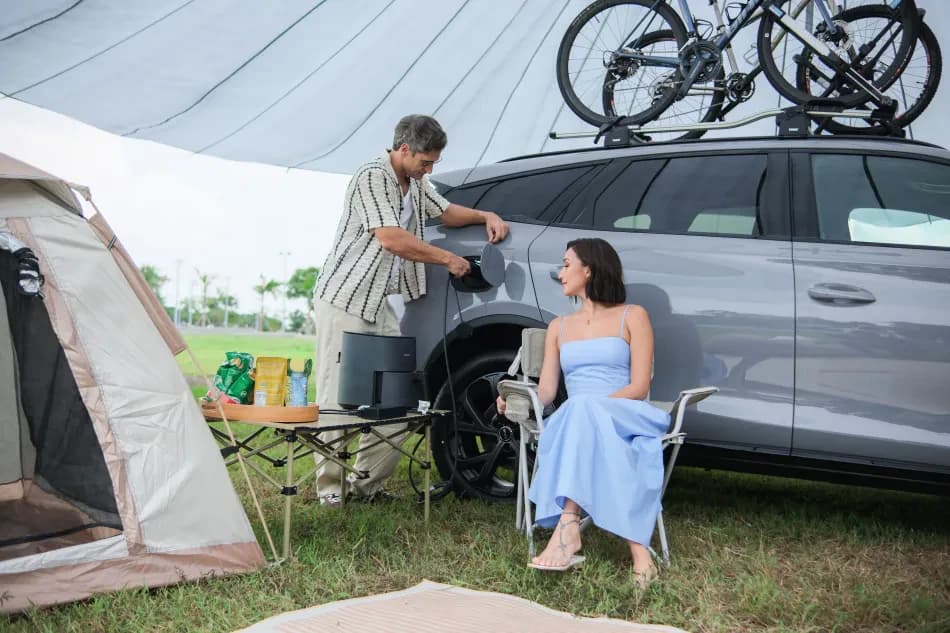
The Vehicle-to-Load function (V2L)
Powering through natural disasters
Here’s an overview of BYD’s Vehicle‑to‑Load (V2L)—or External Discharge / Vehicle‑to‑Load / Vehicle‑to‑Load‑Output—function, and how it can be a game‑changer during natural disasters and power outages.
The V2L feature in BYD vehicles helps shift the EV role from just personal transportation into a mobile resilience platform. What do we mean by this term? In regions like the Philippines that are prone to storms, floods, or frequent grid instability, your BYD can also serve as temporary power backup.
The V2L function is an easy-to-use temporary power supply that can:
Run basic household medical devices when regular electricity is unavailable.
Charge mobile devices like phones, radios, laptops, and flashlights.
Power essential home appliances like electric fans, WiFi routers, among others.
Features like V2L are increasingly important during calamities as it can even help communities adapt and cope during crises.
What Is V2L in BYD Vehicles?
Vehicle‑to‑Load (V2L) is a function available in many recent BYD EVs which allows you to draw power out of the vehicle’s battery to supply external devices—lights, appliances, medical equipment, etc.—via a discharge connector or V2L adapter.
The V2L function is typically enabled once the discharge connector is used. This connector usually comes free with your new BYD vehicle. It uses the high‑voltage battery pack. When the vehicle is discharging, power flows out via a dedicated discharge port or via the regular charge port (with proper adapter) to run external loads.
The function is subject to safety and operational constraints: the vehicle’s state of charge (SoC) must be sufficiently high; loads must be within the power output capacity; and the V2L connector and cables must be in good condition.
How Big Is the Output / What Can Be Powered
The exact power available depends on the BYD model and the adapter used. For example, some adapters and external discharge setups can provide 2kW to 3.5 kW output.
That means smaller household essentials—lights, fans, phones, and simple medical devices—can be supported, depending on the load.
Real‑World Uses: Natural Calamities & Power Outages
In real emergency situations, the V2L function has already proven its value. BYD Cebu deployed 30 vehicles to deliver relief goods and extend support through mobility and power to earthquake-ravaged northern Cebu.
In a home setting, simple power outages at home are made more bearable thanks to the V2L function.
These examples show how having a mobile, battery‑backed power source can address critical needs, without the noise of a diesel- or gasoline-powered generator.
Considerations & Best Practices
To use V2L effectively and safely during power outages or calamities:
1. Monitor SoC: If the battery level drops too low, you may lose driving range, or the V2L function could shut off. Ensure you have enough charge to get where you need to go after use.
2. Choose what to power carefully: Prioritize essential loads (medical devices, communication, lighting) over non‑essentials. Large loads like air conditioners or heavy appliances may exceed what V2L can support continuously.
3. Use proper equipment: Make sure the V2L adapter, cables, and connectors are rated for the load, undamaged, and safe from moisture or hazards.
4. Keep things dry and safe: Avoid placing connectors or cables under tires, in wet spots, or where they can suffer mechanical damage.
5. Understand restrictions: Some vehicles restrict V2L when SoC is low. Also, during long discharging periods, the vehicle’s auxiliary systems (lights, climate control, etc.) may drain more power than expected.
The Journey of Electrons from power source to EV
Charging your EV while on the move is as easy as finding a convenient location on the Evro app and plugging into an ACMobility charger. Sounds simple enough, but what happens behind the scenes is fascinating as well.
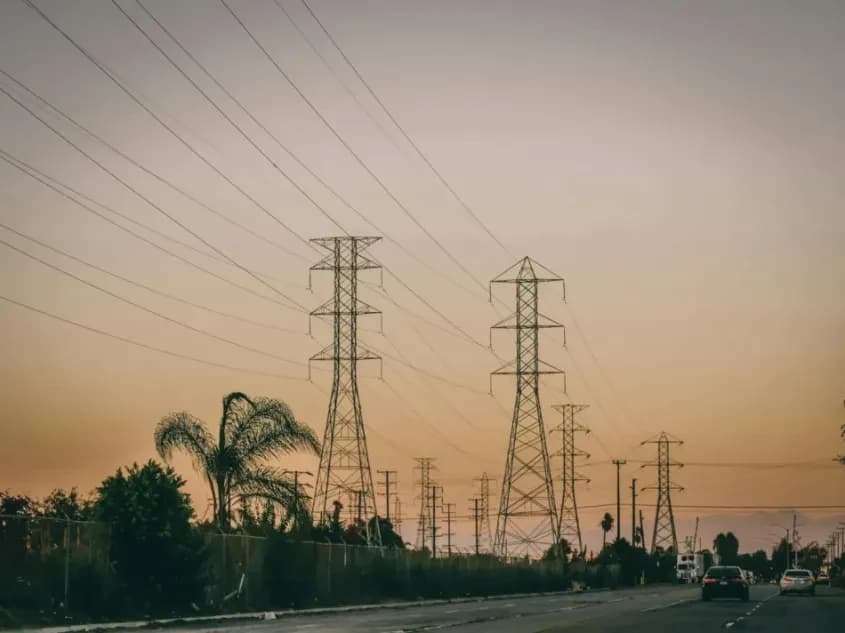
The journey of electrons that power electric vehicles (EVs) begins at a power generation facility. These plants can be fueled by a variety of energy sources—fossil fuels like coal or natural gas, renewable sources such as solar, wind, and hydro, or nuclear power. Regardless of the source, the core process is the same: converting raw energy into electrical energy.
In thermal power plants, heat produces steam that spins turbines connected to generators. Wind turbines use air movement, and solar panels use photons to displace electrons directly through the photovoltaic effect. In all cases, generators create an alternating current (AC), sending electrons into the electrical grid.
Once generated, electricity travels through high-voltage transmission lines, which reduce energy loss over long distances. These lines connect to substations where voltage is stepped down for distribution. From there, the electricity enters local distribution networks—neighborhood poles, underground cables, and transformers—that deliver it to homes, businesses, and EV charging stations.
When an EV is plugged in, the onboard charger converts the incoming AC electricity into direct current (DC), which is then stored in the car’s battery. This stored energy powers the EV’s electric motor, moving electrons again—but this time through internal circuits to propel the wheels.
It's important to note that electrons don’t travel the entire distance from plant to car; instead, the electric grid behaves like a giant push system, where energy input at one point causes movement of electrons across the entire system. This process is nearly instantaneous.
Thus, the journey of power to your EV is a marvel of engineering—from generation, through transmission and distribution, to storage and motion—delivering clean, quiet, and efficient transportation powered by the humble electron.
Efficient driving with your EV
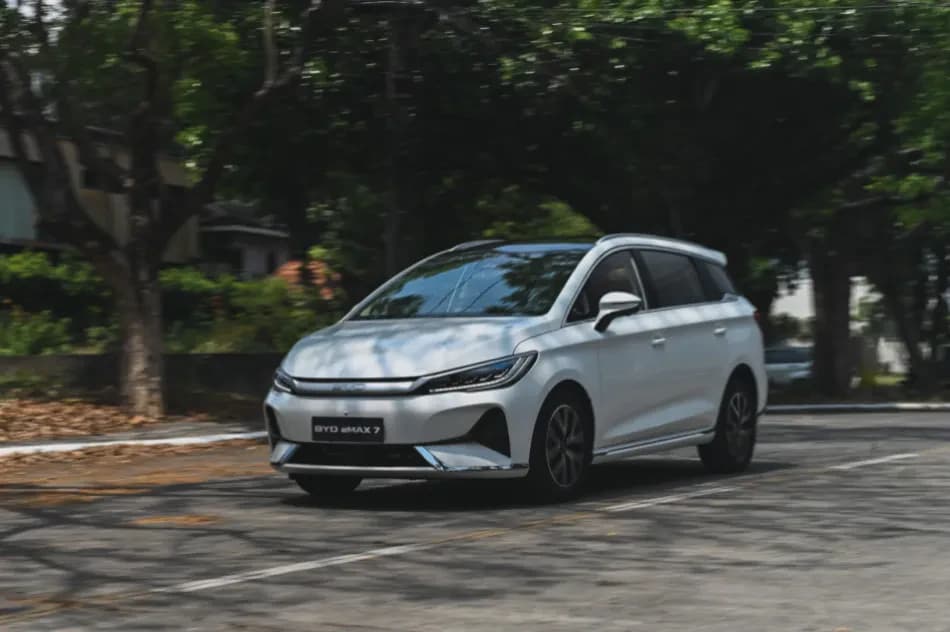
As electric vehicles (EVs) become increasingly popular, maximizing their efficiency is a smart way to get the most from your investment. ACMobility offers a cutting edge lineup of EVs from BYD and Kia, which include the BYD Dolphin, Atto 3, Tang, and eMax 7, and Kia EV5 and EV9.
Unlike internal combustion engine (ICE) cars, EVs operate differently in terms of energy usage, and small changes in driving habits can lead to significant improvements in range and overall performance. Here’s a guide to help you drive more efficiently with your EV.
1. Use Regenerative Braking Wisely
One of the major benefits of EVs is regenerative braking—a feature that recovers energy when you slow down. Instead of wasting energy as heat like traditional brakes, regenerative braking sends energy back to the battery. To take full advantage, try to coast to a stop rather than braking hard. Anticipate traffic lights and slow-moving vehicles, and lift off the accelerator early to let regenerative braking work gradually.
2. Drive Smoothly and Steadily
Aggressive acceleration and rapid braking drain your battery faster. EVs are known for their instant torque, but constantly using that power can significantly reduce your range. Instead, accelerate gently and maintain a steady speed when possible. Cruise control can help on highways, as it minimizes speed fluctuations that can waste energy. The adaptive cruise control function on the BYD Atto 3, which matches the speed of the vehicle in front of you, is quite handy as well. Explore this feature if it is available on your EV.
3. Mind your Speed
Speed has a significant impact on efficiency. Higher speeds increase aerodynamic drag, which requires more energy to overcome. Many EVs are generally most efficient at moderate highway speeds, so keeping your speed reasonable can help preserve battery range without adding much travel time.
4. Plan Your Routes and Charging Stops
Before hitting the road—especially for longer trips—plan your route and charging stops using the EV-friendly Evro app. With the Evro Station Finder, drivers can view charging locations nationwide, including Partner Stations such as ACMobility EV Charging Hub, and Shell Recharge, as well as all DOE-registered charging stations across the Philippines—helping you drive with greater confidence and visibility.
5. Precondition Your EV cabin
Preconditioning is the process of cooling your EV cabin while it’s still plugged in. Using the vehicle's climate control via BYD’s app, for example—while still connected to power—minimizes the energy used from the battery once you're driving. It’s especially useful in extreme temperatures, where cooling the cabin can reduce your range substantially.
6. Reduce Weight and Drag
Just like with gasoline vehicles, extra weight in an EV can reduce efficiency. Remove unnecessary items from your car, and avoid roof racks or cargo boxes unless absolutely necessary—they increase wind resistance and reduce range. A cleaner, lighter car always performs more efficiently.
7. Check Tire Pressure Regularly
Under-inflated tires increase rolling resistance, which forces the electric motor to work harder. Check your tire pressure at least once a month and keep it at the manufacturer’s recommended level. This simple habit can help improve range and extend tire life.
Driving efficiently with an EV doesn't require radical changes—just a bit of awareness and planning. By adopting smooth driving habits, leveraging technology like regenerative braking, and taking care of your vehicle, you can extend your range, save money, and contribute to a more sustainable future.

The Journey of Electrons: From Power Plant to Electric Vehicle
The journey of the electricity that powers electric vehicles (EVs) begins at a power generation facility. These plants can be fueled by a variety of energy sources—fossil fuels like coal or natural gas, renewable sources such as solar, wind, and hydro, or nuclear power. Regardless of the source, the core process is the same: converting raw energy into electrical energy.
In thermal power plants, heat produces steam that spins turbines connected to generators. Wind turbines use air movement, while solar panels use photons to displace electrons directly through the photovoltaic effect. In most cases, generators produce alternating current (AC), which is fed into the electrical grid.
Once generated, electricity travels through high-voltage transmission lines that reduce energy loss over long distances. These lines connect to substations, where voltage is stepped down for distribution. From there, electricity flows through local distribution networks—poles, underground cables, and transformers—delivering power to homes, businesses, and EV charging stations.
When an EV is plugged into an AC charger, the vehicle’s onboard charger converts the incoming AC electricity into direct current (DC), which is stored in the battery. For DC fast charging, this conversion happens within the charging station itself, allowing electricity to flow directly into the battery at much higher power levels.
It’s important to note that electrons don’t physically travel the entire distance from the power plant to the car. Instead, the electric grid behaves like a vast, interconnected push system—where energy introduced at one point causes electrons to move throughout the system almost instantaneously.
From generation and transmission to storage and motion, the journey of power to your EV is a marvel of modern engineering—enabling quiet, efficient, and increasingly sustainable electric mobility.
EV Myths
Let’s debunk some EV ownership myths
Living the EV lifestyle is much easier than you think
Want to own an Electric Vehicle (EV) in the Philippines but are uncertain about what the experience will be like? Let us debunk the myths surrounding EV ownership.
The electric future that forward-thinking motorists have been anticipating is already in the Philippines. The local automotive industry already offers a growing roster of EV models at price points to suit every budget. Look no further than BYD and KIA for a model to choose from.
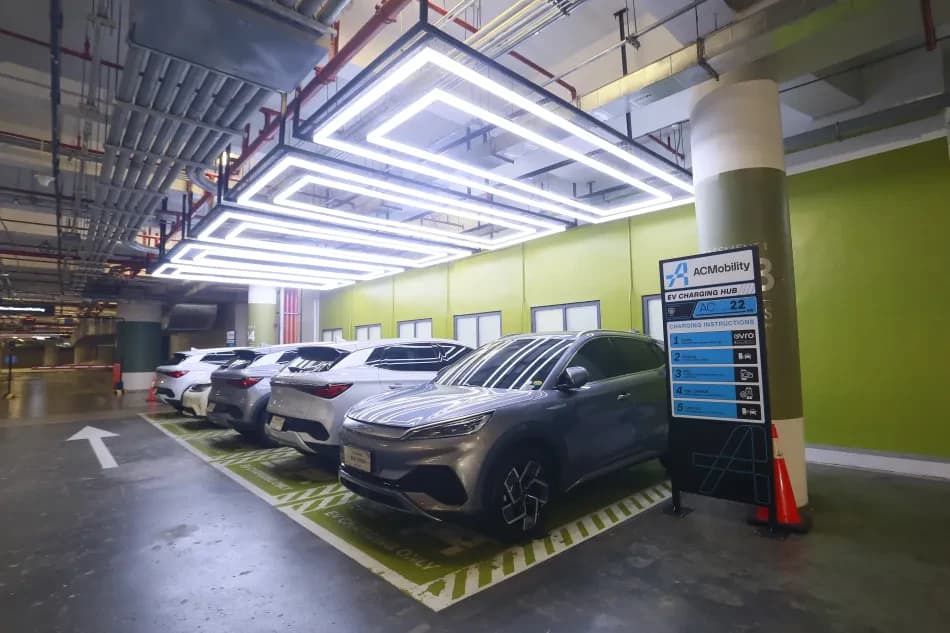
And then there is the growing EV charging network that is being rolled out by ACMobility which already is the most expansive in the country—with even more charging points and locations to come.
ACMobility, BYD, and KIA are brands that are more than ready to meet the demands of the early adapting public that has already embraced EVs, and yet there are still some myths that surround Electric Vehicles in general.
Here are the facts that prove that choosing an EV can be the ideal choice for your transportation needs.
Myth #1: Long Charging Time
Depending on the kind of charger used, a BYD Atto 3 can reach an 85% charge in approximately 4 hours using a 7kW AC charger–ideal while at the office or running errands.
Even faster charging is possible at fast-charging stations that can be found across seven cities in Luzon. These 22kW AC and 60kW DC fast chargers will allow EV users to fully charge their vehicles as fast as 2 hours–ideal for when topping up the battery during out-of-town drives.
Myth #2: Limited Charging Stations
ACMobility reinforces its commitment to sustainable and responsible property development with its nationwide EV charging network. In fact, the Asian Development Bank (ADB) has signed a financing package of up to $100 million to support Ayala Corporation’s contributions to the development of an electric mobility ecosystem in the Philippines. This funding will be used to procure and install electric vehicle charging stations (EVCS) and to purchase electric vehicles for commercial distribution.
Myth #3: Limited EV Range
The BYD Atto 3 Premium’s 60.4 kWh blade battery pack has a range of 480km on a single charge. The EV6 GT-Line offers a 77.4 kWh battery and can travel over 500km on a single charge. Trips to Baguio City from Metro Manila (251km) are possible and should quell any range-anxiety concerns. And for those who start their journey in Baguio at 95% charge, a non-stop trip to Los Banos with range left to spare can easily be done. We have done it. (LINK TO Los Banos-Baguio-Los Banos travel tips)
Myth #4: High Cost of Maintenance
When it comes to maintenance costs, it is more affordable to maintain an EV because it doesn’t require any engine oils, transmission fluids, and other lubricants that are required by cars powered by internal combustion engines. The savings are significant.
Over the course of five years, for example, a BYD Atto 3 will only need brake pads, brake fluid, AC filters, and wiper blades, with an estimated This will amount to P25,000. For comparison’s sake, an ICE SUV will need engine oil, filters, fluids, brake pads, wiper blades, belts, and coolants. Over five years, this will amount to roughly P110,000.
Myth #5: The cost of electricity versus the cost of fuel is not that much, so the savings are insignificant.
During a BYD test drive that was observed and verified by the Automobile Association Philippines (AAP), the results were staggering. After 104km on the road–in real-world traffic and the occasional open highway–the BYD Dolphin only consumed 35% of its 44.9 kWh battery. This means that it only used 15.715kWh. That’s P1.70 per kilometer (based on kWh costs at the time of the test.) The closest ICE rival costs P4.62 to run (based on fuel cost per liter at the time of the test.) Extrapolate this data and over the course of a year (or 20,000km) the BYD Dolphin’s Transport cost is an estimated P33,944. In one year, an ICE will consume P92,477 in fuel.
Those are significant savings.
Myth #5 Safety Concerns
The Kia EV6 is the recipient of accolades which include European Car of the Year 2022 Award and a 5-Star Euro NCAP rating. The battery system (which is mounted low to the ground and on the floor) utilizes lithium-Ion battery cells. These are enclosed and resistant to large water splashes. This casing system has been given an IP 66 international rating. This rating is one of the most commonly-used for electrical enclosures with plastic hinges and waterproof gaskets. The EV6 is also equipped with a water-sensing system. In the unlikely event of water intrusion, it automatically shuts off the EV system if water exposure is beyond safety standards.
Systems are also in place to diagnose whether an EV6 has been exposed to flooding. For added peace of mind, Kia Philippines has the tools and EV6 specific equipment to address any concerns. The EV6 is also supported by parts and world-class trained technicians.
BYD models are known for their safety systems as well. In fact, the all-new BYD SEAL and BYD DOLPHIN full-electric vehicles have been awarded five-star safety ratings by Euro NCAP, Europe’s leading independent safety assessment program. The D-segment sedan BYD SEAL performed to a very high standard throughout the whole safety test process, illustrating the vehicle’s exceptional active and passive safety credentials and the structural benefits of BYD CTB (Cell to Body) technology. BYD’s C-segment hatchback, the BYD DOLPHIN, proved its excellent quality with high scores on adult and child occupant protection.
Euro NCAP created the star safety rating system to help consumers, their families and businesses compare vehicles more easily and to help them identify the safest choice for their needs. Both the BYD SEAL (D-segment sedan) and the BYD DOLPHIN (C-segment hatchback) received 5-star awards. Both the BYD SEAL and the BYD DOLPHIN were assessed by Euro NCAP engineers in four categories: adult occupant protection, child occupant protection, safety assistance, and protection for vulnerable road users.
Key to the maximum test result is BYD’s build quality and technology. BYD’s new generation e-Platform 3.0, comprises the world’s first mass-produced highly integrated 8-in-1 electric powertrain connecting all electric control units and management systems, and the rigorously tested ultra-safe Blade Battery. The BYD e-Platform 3.0 features a ‘multi-load path’ structure controlling how energy is absorbed by the car in the event of a collision, minimising intrusion into the passenger cabin.
Advanced Cell-to-Body technology
Passenger protection is further enhanced by a reinforced body structure with high torsional rigidity. The BYD SEAL has a super-sportscar-like torsional stiffness. During the safety test, this extra quality resulted in an excellent 89% score for Adult Occupant protection. Thanks to the Cell-to-Body (CTB) technology that enhances vehicle safety, also the passenger compartment of the BYD SEAL remained stable in the frontal offset test, showing good protection for both driver and passenger. Also, the BYD SEAL offered good protection against whiplash injuries. The advanced eCall-system and the system that applies the brakes after an impact to avoid secondary collisions received an extra mention.
Myth #6 EVs are expensive.
Now is the best time to buy an EV because of the very competitive prices that are not far off from their ICE counterparts. The BYD Atto 3 Dynamic variant is P1,598,000. The recently launched BYD eMax 7 is P1,498,000. BYD even offers the Seagull at P898,000. EV shopping has never been this enticing, especially when you consider the kind of technology that is being made available to you.
CONCLUSION
The potential of EVS has already become a reality. ACMobility is here to make EV ownership convenient, worry-free, and enjoyable. It has a social responsibility and solid commitment to sustainable mobility, sustainable energy, and a sustainable planet.
See past these myths and join the growing Philippine EV community to reap the many financial benefits of going electric.