
FAQs

Side by side comparison: AC vs DC Charging
Understanding AC and DC Charging: Key Differences and When to Use Each
As electric vehicles (EVs) gain momentum in the global shift toward sustainable transportation, understanding how they charge is essential—especially the distinction between AC (Alternating Current) and DC (Direct Current) charging. Each serves a different purpose and offers unique advantages depending on the situation.
What’s the Difference Between AC and DC Charging?
The core difference between AC and DC charging lies in how electricity is delivered and processed. The power grid supplies electricity in the form of AC, which is compatible with most residential and commercial power sources. However, EV batteries can only store energy in DC form.
In AC charging, the EV’s onboard charger converts AC power into DC before storing it in the battery. This process is relatively slow and limited by the power capacity of the onboard charger, usually between 3.6 kW and 22 kW.
In contrast, DC charging bypasses the onboard converter entirely by supplying DC power directly to the battery via a high-powered external charger. This allows for much faster charging, often delivering between 50 kW and 350 kW, depending on the vehicle and station.
ACMobility recently launched its new charging stations which are also complemented with the introduction of SuperFast and UltraFast Chargers. Both chargers have the capability of charging up to 480kW, which will help significantly enhance the EV ownership and charging experience for more Filipinos nationwide.
Advantages of AC Charging
Ideal for Extended Parking
AC charging works best where vehicles naturally stay parked for longer periods—at home, at work, or while staying overnight. With a Level 2 AC charger, most EVs can fully recharge within 6 to 12 hours, making charging a seamless part of daily routines.
More Accessible and Cost-Efficient
AC chargers are generally more affordable to install and maintain. They can often be supported by existing electrical infrastructure, avoiding the need for extensive upgrades. This makes AC charging a practical solution for residential, workplace, and destination charging.
Advantages of DC Charging
Fast Charging for Long-Distance Travel
DC charging is designed for situations where speed matters—such as road trips or time-sensitive stops. Many EVs can recharge up to 80% in 20 to 60 minutes using a DC fast charger, significantly reducing downtime while traveling.
Built for Public and High-Traffic Locations
DC chargers are typically deployed in public, high-traffic areas like highway service stops, shopping centers, and transit hubs. This enables quicker vehicle turnover and supports drivers who rely on public charging rather than home setups.
Which Should You Use?
Use AC charging when time is on your side—such as overnight or during work hours.
Use DC charging when you’re on the move and need quick power, especially on long trips.
Together, AC and DC charging options form a complementary ecosystem, ensuring EV drivers have flexible, efficient, and reliable ways to stay charged—no matter the journey. ACMobility is proud to provide both, and at a growing number of convenient locations nationwide.
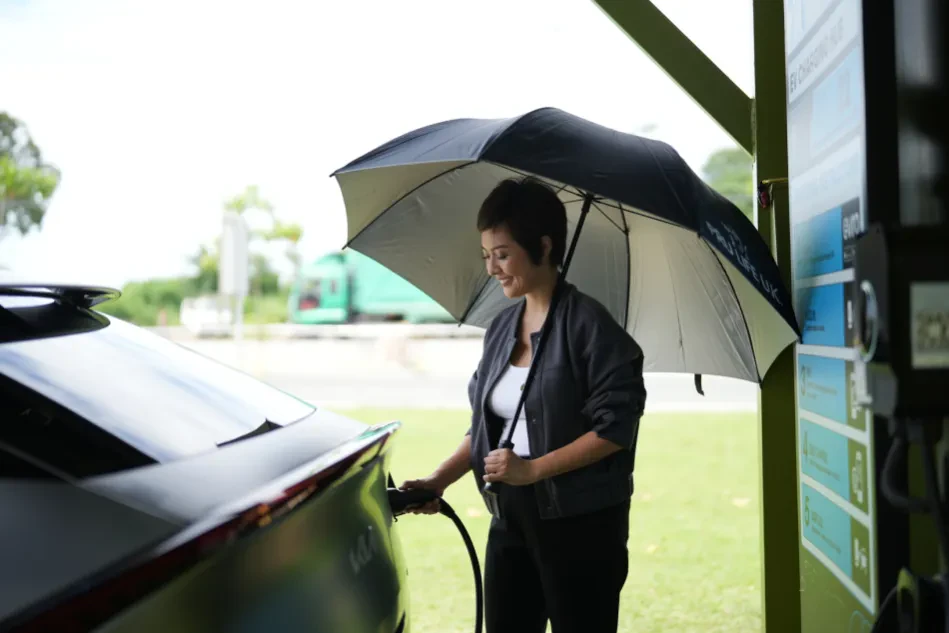
Charging During Extreme Weather
EV Safety 101: How to Charge Your Vehicle Without Worry—Rain or Shine
With proper practices and the right equipment, EV owners can confidently power up in any weather.
Weather in the Philippines has become increasingly unpredictable. Weeks can quickly shift from scorching heat to days of continuous rain. These sudden changes present challenges to car owners, especially those with electric vehicles (EVs). One common concern is the safety of EV charging during extreme weather, particularly in heavy rain, floods, or high heat.
To help EV owners stay safe and powered up no matter the weather, ACMobility, a leading provider of EV charging solutions and infrastructure in the Philippines, shares a few essential tips for charging smartly and safely during periods of extreme heat or heavy rain.
1. Check Charging Station Availability and Status First
When the weather swings from scorching heat to sudden downpours, being prepared makes all the difference. Before heading out, EV owners are encouraged to first check the availability of charging stations in their area. This can be easily done through e-mobility platforms such as the Evro app, which features a Station Finder that shows all Department of Energy (DOE)-registered public charging stations nationwide. Apart from locating the nearest charging station, Evro also lets EV drivers check the status of each station in real time, manage their sessions, and process their payments of Evro Station Partners, all in one app — helping them plan their trips with more ease and confidence.
2. Know Your Car’s Charging Guidelines and Overall Condition
Similar to conventional Internal Combustion Engine (ICE) vehicles, it is essential for EV owners to check their vehicle manual for proper procedures, equipment compatibility, and emergency features, especially before charging. Brushing up on these basics could help save drivers from unnecessary risks, especially during unpredictable weather. Likewise, EV owners are encouraged to avoid charging in flooded areas as such may increase safety risks and affect vehicle performance. These precautions help ensure both safety and the longevity of the vehicle.
Likewise, it is also a must to check the condition of one's vehicle if it has been exposed to deep floodwaters before charging. Users are advised to check for signs of water entry in the charging port, undercarriage, or cabin, particularly if floodwaters may have reached the level of the charging port, and monitor for any battery warning lights.
Extreme heat is another factor to be mindful of. After long drives or use under intense heat, it is best to let the EV cool down and check its condition before charging. This prevents unnecessary strain on the battery, which, like a gas-powered engine, performs best when properly managed.
If anything feels unusual, whether due to rain or extreme heat, the safest option is to have the EV inspected at an authorized technician or service center before charging.
3. Use The Right Charger for Your Vehicle
EV owners should always ensure that the charger and plug match their vehicle’s specifications. The use of adapters or extension cords is strictly not allowed, as these can cause overheating, damage both the EV and the charger, or become fire hazards.
Universally, there are two main types of EV chargers: AC (alternating current) and DC (direct current). AC chargers, which provide up to 22 kW of power, are the ones most widely available through the ACMobility network. For EVs equipped with faster on-board chargers, they can deliver a full charge in about three to four hours.
For other vehicles, charging from 20% to 80% typically takes up to eight hours, depending on the battery size and conditions. Meanwhile, ACMobility’s DC chargers deliver 60kW, 120kW, 240 kW and 480 kW of power, and can charge an EV from 20% to 80% in just 20 to 60 minutes. The 60 kW and 120 kW units are referred to as Fast Chargers and are available in multiple locations nationwide, while the 240 kW SuperFast and 480 kW UltraFast chargers are currently available at the Corinthian Carpark in Makati. Each charger type uses different connectors. ACMobility’s AC chargers support Mennekes (Type 2), and GB/T connectors; while its DC fast chargers support CCS2 connectors.
If EV owners are unsure of connector compatibility, they can simply register their vehicles through the Evro app. The app will automatically display the compatible connectors and identify charging stations equipped with the appropriate chargers for their specific vehicle.
4. Park and Set Up Safely
EV owners are encouraged to position their vehicles properly and check their surroundings before charging. While ACMobility charging stations are built with proper grounding and level surfaces, drivers should still take care when parking to ensure easy access to the charger. Before plugging in, it is important to inspect the charging station for any visible damage, signs of vandalism, or anything unusual and any issues should be reported right away. When setting up, care should be taken to avoid stretching the charging cable across walkways, especially in wet or slippery conditions, to prevent accidents or wear. Once everything is securely in place, charging can begin safely.
5. If Something Feels Off While Charging, Step Back and Stay Safe
If something goes wrong while charging, such as sparks, unusual sounds, or system errors, do not touch or forcefully unplug the charger. Use the Evro app to safely end the session if possible and move away from the vehicle. Report the issue to the station’s support team or emergency services. Once safe, ensure the power source is switched off before any further action.
Engineered For Safety Together With Our Partners
Apart from Evro, ACMobility’s commitment to building safe and reliable charging stations nationwide is made possible through its strong partnership with Greenstrum, a leader in customized EV charging solutions for private, commercial, and industrial use. A subsidiary of ACMobility, Greenstrum handles the procurement, installation, and maintenance of both AC and DC chargers across the country. To ensure safety and efficiency, charging stations are inspected and maintained at least twice a year, with additional checks conducted as needed.
ACMobility’s charging stations are carefully designed with safety in mind and follow the standards set by the Department of Energy (DOE), Department of Trade and Industry (DTI), and international guidelines. The company also works closely with Evro, Greenstrum, and its site partners to ensure that every station is safe, well-maintained, and fully operational. While ACMobility’s EV infrastructure is built for all-weather performance, EV owners are encouraged to exercise caution, especially during periods of extreme heat or heavy rain.
For any questions on how to use the Evro app, users may reach out through Evro’s in-app messaging service. For emergencies or immediate assistance at any ACMobility charging station, please call the ACMobility Helpline at (02) 7777-ACMo (2266).
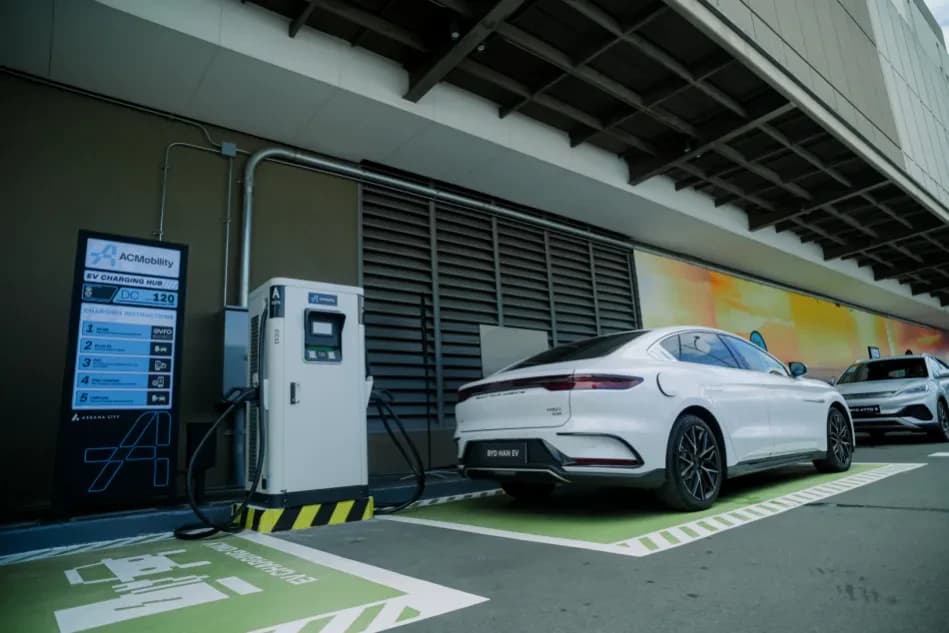
What is Level 1, 2, and 3 charging?
Understanding Level 1, Level 2, and Level 3 EV Charging in the Philippines
As electric vehicles (EVs continue to grow in popularity, understanding the different levels of EV charging can help you choose the solution that best fits your lifestyle. EV chargers are generally categorized into three levels: Level 1, Level 2, and Level 3 (DC fast charging)—each offering different charging speeds, installation requirements, and use cases.
Level 1 Charging
In the Philippines, Level 1 charging uses a standard household outlet and delivers electricity at a relatively low power level. While widely accessible, Level 1 charging is very slow and is best suited for daily use or emergency charging, as it can take a long time to fully recharge an EV with a larger battery.
Level 2 Charging
Level 2 chargers are also AC (alternating current) but require a dedicated circuit and professional installation, typically through a wall-mounted charger in a garage or driveway. This setup delivers significantly more power than Level 1, allowing most EVs to be charged within several hours, making it ideal for home, workplace, and destination charging.
For homeowners looking for a safe and hassle-free setup, Greenstrum provides professional Level 2 home charging installations tailored to household electrical capacity.
Level 3 Charging (DC Fast Charging)
Level 3 charging—also known as DC fast charging—uses direct current (DC) and bypasses the vehicle’s onboard charger to deliver power directly to the battery. These chargers are designed for public and high-traffic locations, providing rapid charging for long trips or quick top-ups.
Here is a quick breakdown of Level 1, Level 2, and Level 3 charging.
Level 1 (Home Charging) | Level 2 (Home and Commercial AC Charging) | Level 3 | |
|---|---|---|---|
Power | Plugs into a standard 220–230-volt household outlet, commonly available in Philippine homes. Power output ranges from 1.3 kW to 2.3 kW. | Requires a dedicated electrical connection with a higher power output than a standard household outlet. Level 2 AC chargers are available in different power ratings: 7.0 kW – most common for residential use, while 11 kW to 22 kW – mostly used in commercial or industrial settings. | Level 3 chargers—also known as DC fast chargers—bypass the vehicle’s onboard charger and deliver direct current (DC) straight to the battery. DC chargers range from 30 kW to 480 kW power output. |
Installation | No special installation is required, making it the simplest and most accessible option. Most EVs come with a portable Level 1 charging cable that can be plugged directly into a wall outlet. | Involves installing a wall-mounted AC charger at home or in commercial locations, similar to installing a split-type air-conditioning unit. Professional installation is required to ensure safety and proper electrical capacity. | These high-powered chargers are installed in public locations such as select ACMobility Charging Hubs nationwide. |
Charging speed | This is the slowest charging option. Charging a 60 kWh battery from low to full can take 40 hours or more, depending on the vehicle and conditions. | Significantly faster than Level 1. A typical 7 kW Level 2 charger can charge a 60 kWh battery in about 6 to 10 hours, making overnight charging practical. | These high-powered chargers are installed in public locations such as select ACMobility Charging Hubs nationwide. |
Use case | Best suited for light daily driving, overnight top-ups, or emergency charging when faster options are unavailable. | Ideal for home charging, workplaces, condominiums, malls, and offices—especially when a full charge is needed within the same day. |
Key Considerations for EV Charging in the Philippines
Voltage: While the standard household voltage in the Philippines is 220V, you'll need a dedicated circuit for Level 2 charging, which typically involves getting a new circuit breaker installed.
Connector Standards: AC charging uses Type 2 and GBT connectors. DC charging uses CCS2 (Combined Charging System). It is a DC fast charging connector that combines a J1772 plug with additional DC pins. This is the Department of Energy standard that is used with most EVs sold in the Philippines today.
Level 1 charging is a practical solution for those who don't need fast charging and prefer a minimal investment.
Level 2 is ideal for home installation and serves as the primary charging option for most EV owners.
While not suitable for home use due to cost and power requirements, Level 3 charging is essential for expanding the practicality of EVs for all driving scenarios.
Each EV charging level has its place. Level 1 is budget-friendly and simple, Level 2 balances speed and accessibility, and Level 3 delivers rapid charging when time is critical. Understanding these options helps EV owners make smart decisions based on their lifestyle and driving needs.
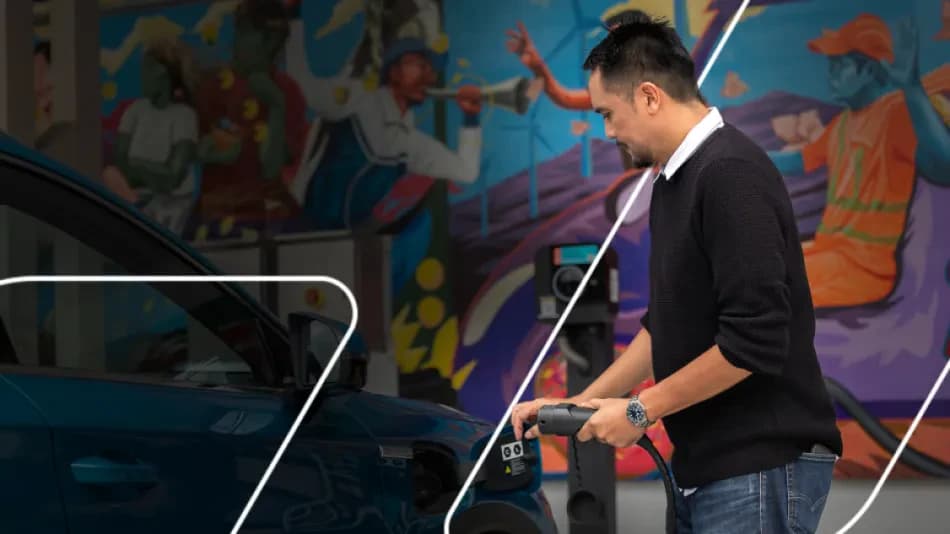
ACMobility Answers: How to Charge your EV with ACMobility EV Charging Hubs?
A step-by-step guide on how to start and complete your charging session at ACMobility EV Charging Hubs, from plugging in your vehicle to ending the session properly.
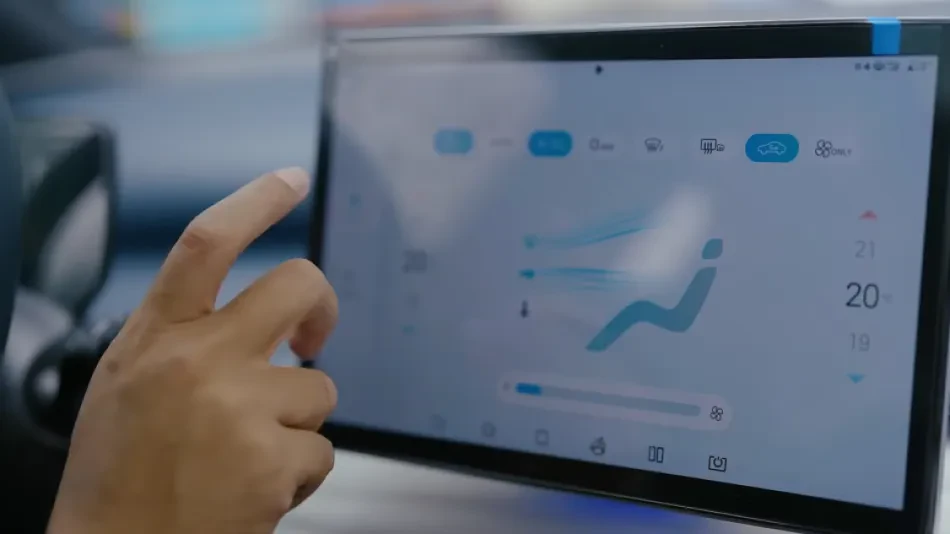
ACMobility Answers: Is it safe to use the air conditioner while charging?
An explanation of whether you can use your vehicle's air conditioning during charging.
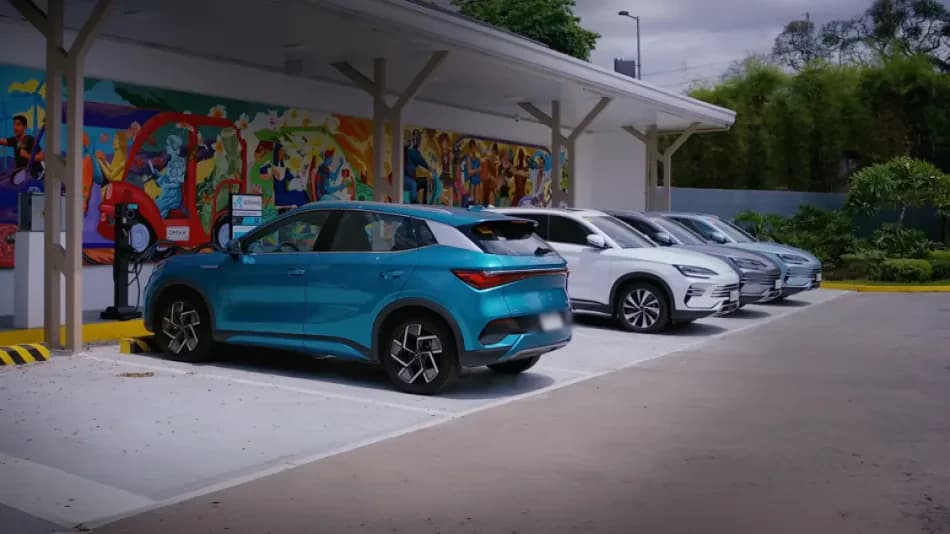
ACMobility Answers: What "Overstaying" Means at ACMobility EV Charging Hubs?
Clear guidance on why unplugging on time matters, how staying too long affects other EV users, and the policies in place to keep charging fair and efficient.
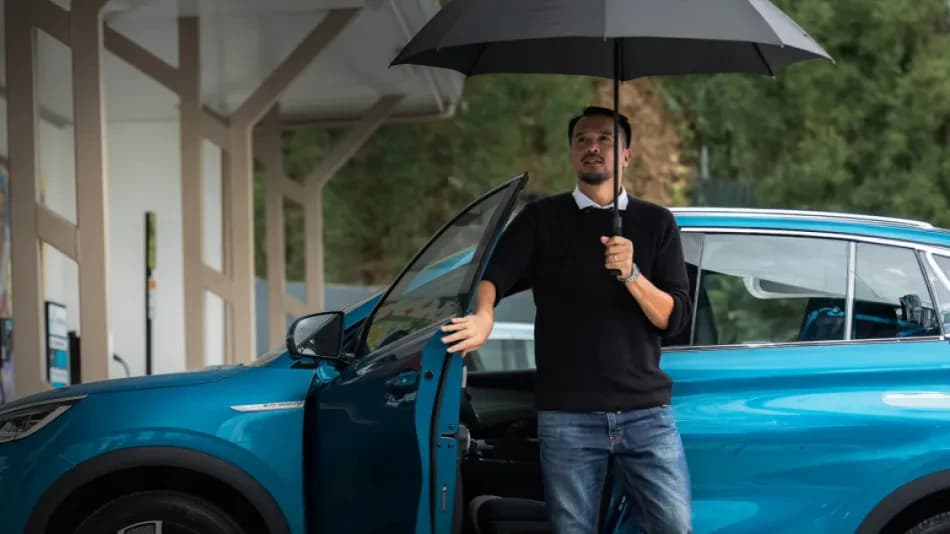
ACMobility Answers: Is it Safe to Charge in the Rain?
Reassurance on charging safety during rainy conditions, including built-in safety features of ACMobility chargers and best practices for users.

ACMobility Answers: Why You Should Not Use Adapters?
Important safety reminders on avoiding adapters and using only approved charging equipment to protect both your vehicle and the charging station.
*The use of adapters is currently not allowed and may be updated in accordance with future regulations.
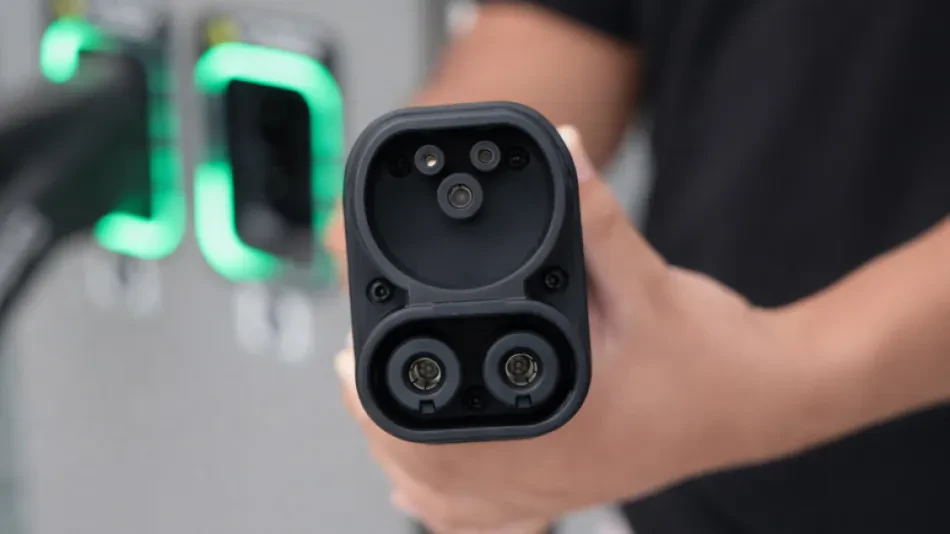
ACMobility Answers: How to charge your EV safely at ACMobility EV Charging Hubs?
A safety tips and best practices to ensure every charging session is secure and worry-free.