EV 101
Your guide to understanding Electric and Hybrid Cars.
New to electric cars? EV 101 breaks down the key facts about EVs and hybrids—what they are, how they run, and why they’re becoming the future of driving. It’s your quick, no-jargon introduction to a smarter and more sustainable way to drive.

Electric vehicles are redefining modern driving by replacing or reducing the need for fuel. Whether fully electric or hybrid, EVs give drivers an option that’s efficient, sustainable, and future-ready.
What is an electric vehicle?
Electric vehicles are redefining modern driving by replacing or reducing the need for fuel. Whether fully electric or hybrid, EVs give drivers an option that’s efficient, sustainable, and future-ready.
BEV
Battery Electric Vehicle
Source of Energy
Powered only by a large battery pack. Electricity is stored and used to run the motor/s.
Charging
Plugged into AC or DC chargers. Charging time depends on charger type, vehicle battery size, and charging conditions.
Emissions
Zero tailpipe emissions, offering the cleanest and most sustainable drive.
PHEV
Plug-in Hybrid Electric Vehicle
Source of Energy
Uses both a rechargeable battery and an internal combustion engine. Can run on pure electric or hybrid power.
Charging
Can be plugged into AC chargers*, while the internal combustion engine kicks in when power is needed. In some models, the engine can also recharge the battery while driving.
*Newer BYD DMis can be charged with DC chargers.
Emissions
Best for short commutes in electric mode, with the internal combustion engine providing range for long-distance travel.
HEV
Hybrid Electric Vehicle
Source of Energy
Runs mainly on an internal combustion engine, supported by a smaller battery and electric motor.
Charging
Self-charges through regenerative braking and the engine—no plug-in charging needed.
Emissions
Improves fuel economy and reduces emissions compared to traditional cars, making it an easy first step into electrification.

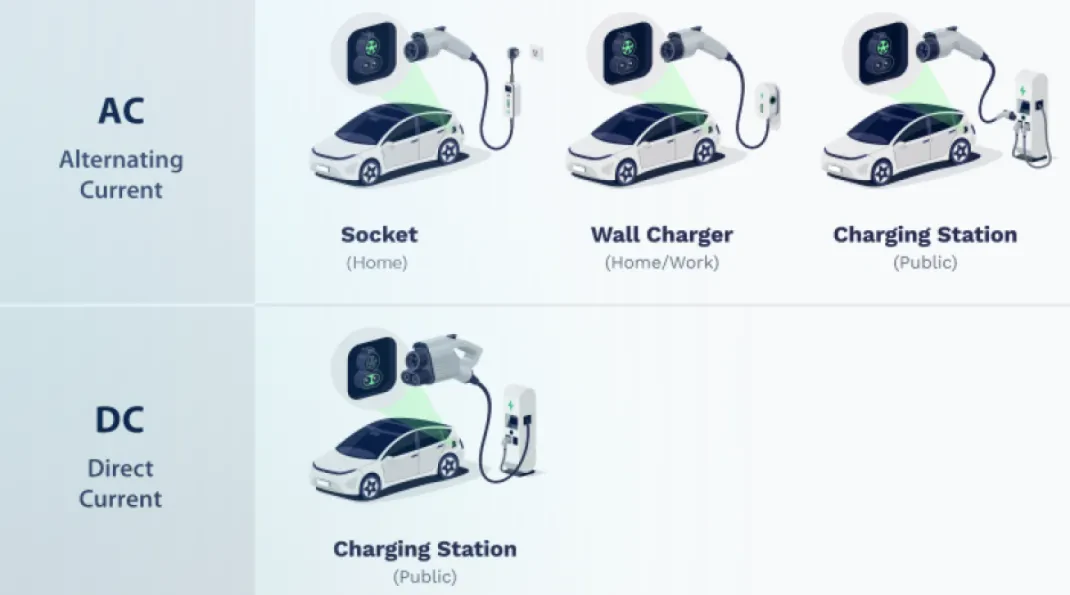
Charging your EV is different from filling up with gas, but it’s straightforward once you know the options. In the Philippines, AC charging is most common—ideal for overnight charging at home or during long parking hours in offices and malls. DC fast charging is also expanding, offering quick top-ups in select cities, commercial sites, and expressways.
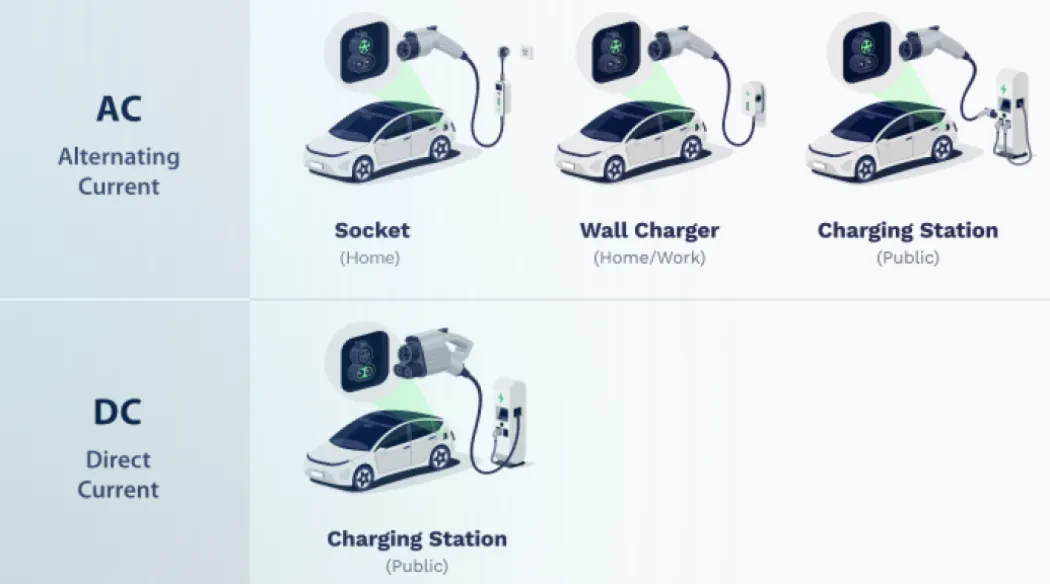
Charging your EV is different from filling up with gas, but it’s straightforward once you know the options. In the Philippines, AC charging is most common—ideal for overnight charging at home or during long parking hours in offices and malls. DC fast charging is also expanding, offering quick top-ups in select cities, commercial sites, and expressways.
Charging Times
AC charging at home using a standard socket can take over 12 hours, while dedicated wall chargers (7kW to 22kW) cut that time significantly.
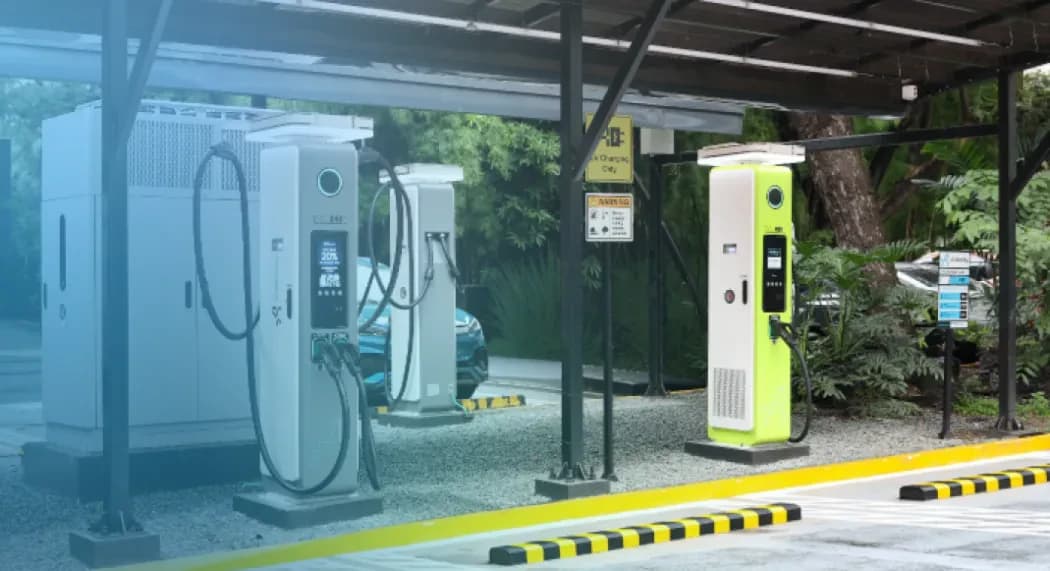
DC fast chargers, now available in select malls, dealerships, and along major expressways, can charge up to 80% in under an hour depending on the vehicle.
Charging Costs
Home charging is the most affordable, with electricity rates averaging around ₱13 per kWh for AC.
Public charging stations may cost more, especially for DC fast charging, with rates averaging ₱35 per kWh. in some locations.
Home vs. Public Charging
Home: A wall charger is the safest and most efficient way to charge daily.
Public: Many malls and workplaces in Metro Manila and nearby cities now have AC chargers, while DC fast chargers are being rolled out in select commercial hubs and major highways.
Battery Care Tips
Charging up to 80% regularly helps preserve battery life; save 100% charges for long trips.
Occasional DC fast charging is convenient for travel but should be balanced with routine AC charging at home or work.

Most EV drivers charge their cars at home or work—often overnight or during the day while parked. With the right setup, charging fits seamlessly into daily life. And thanks to DC fast charging, you can get up to 80% power in just 20-60 minutes at select public stations.

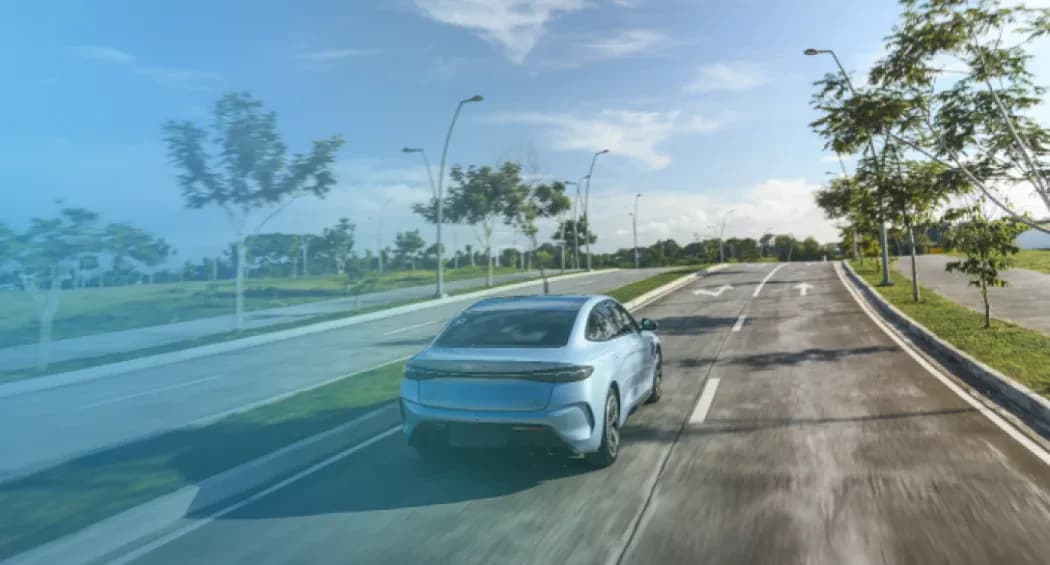
Most electric and hybrid vehicles today can easily cover the distances drivers need, but range depends on the type of vehicle you choose. Battery Electric Vehicles (BEVs) can typically travel 300–500 km on a single charge, while Plug-in Hybrid Electric Vehicles (PHEVs) can drive 40–100 km on pure electric power before the fuel engine takes over for hundreds more. Hybrid Electric Vehicles (HEVs) don’t plug in and rely mainly on fuel, but their electric motors improve efficiency, giving you longer range compared to traditional cars.
What Affects Driving Range?
Battery Size:
Larger batteries store more energy and can travel farther per charge.
Driving Style:
Smooth driving extends range, while aggressive acceleration reduces it.
Conditions:
Traffic, air conditioning use, terrain, and weather all affect efficiency.
BEVs (Battery Electric Vehicles)
Real-world ranges are often 300–500 km, with some newer models going even farther.
Ideal for city driving and intercity travel where charging stations are available.
PHEVs (Plug-in Hybrid Electric Vehicles)
Provide 40–100 km of pure electric driving, perfect for daily commutes.
The fuel engine extends range for long trips, meaning you’ll never run out of power even without charging.
Ability to plug in and charge means you can top off your battery without having to use fuel.
HEVs (Hybrid Electric Vehicles)
Powered mainly by a fuel engine, supported by electric motors.
Range is similar to conventional cars but with improved fuel economy, making them efficient for long-distance travel.
The Everyday EV Reality
Most EV and PHEV drivers don’t fully drain their battery daily, topping up regularly keeps range anxiety low.
Charging networks in the Philippines are expanding across malls, expressways, and workplaces, making longer trips increasingly practical.

Charging an EV is generally more affordable than filling up with gas, especially when done at home. In the Philippines, home charging averages around ₱13 per kWh, while public charging is often high-capacity AC at malls and workplaces, with rates closer to ₱18–₱28 per kWh. DC fast charging is available in select locations, usually at a higher cost of around ₱35 per kWh but is still less common.
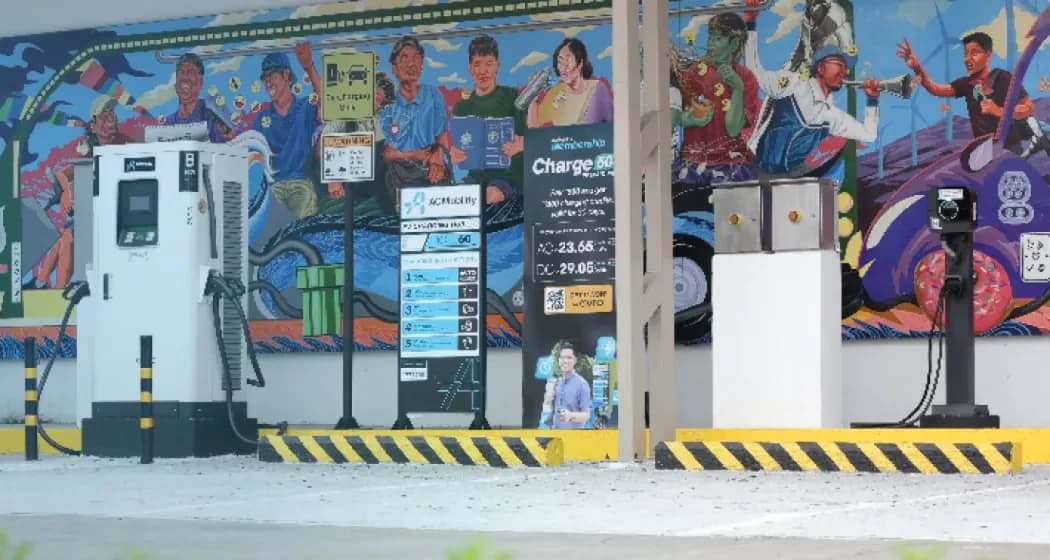
Charging an EV is generally more affordable than filling up with gas, especially when done at home. In the Philippines, home charging averages around ₱13 per kWh, while public charging is often high-capacity AC at malls and workplaces, with rates closer to ₱18–₱28 per kWh. DC fast charging is available in select locations, usually at a higher cost of around ₱35 per kWh but is still less common.
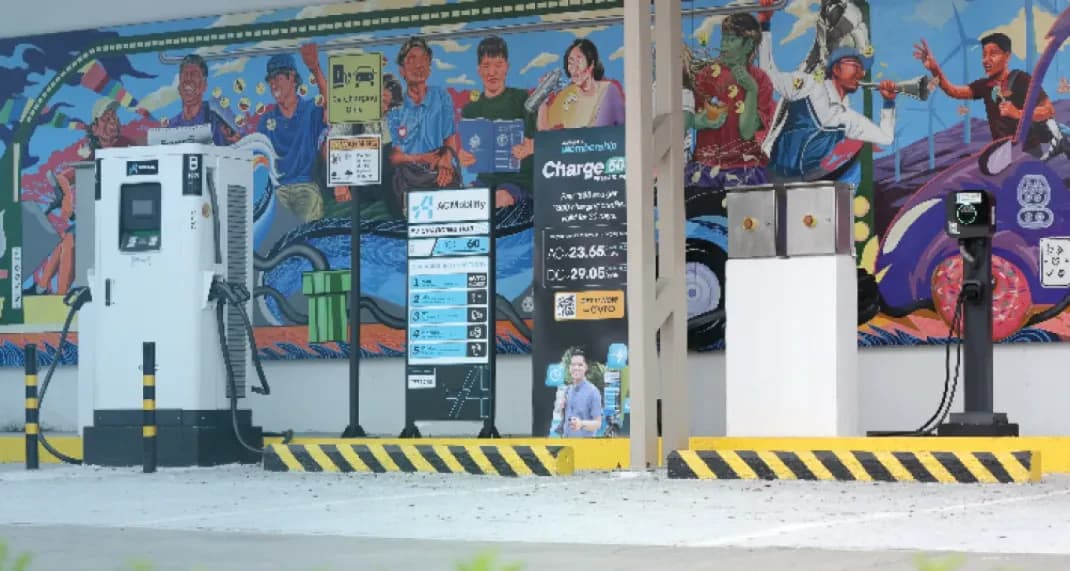
Home Charging Savings
A full charge at home costs much less than a full tank of gasoline.
For example: charging a 60 kWh battery at ₱13/kWh is about ₱780, which can cover 400+ km.
Public Charging Costs
Most public chargers today are AC units (7kW–22kW) installed in malls, offices, and parking areas. Rates typically range from ₱22–₱28 per kWh, still more affordable than fuel.
DC fast chargers are emerging in select expressways and commercial hubs, often priced higher, but they remain the minority.
Comparing to Gasoline
With fuel at ₱57 per liter, a conventional car can cost over ₱3,000 to fill up.
On a per-kilometer basis, EVs cost less than half of what a gasoline vehicle spends on fuel.
DC fast chargers are emerging in select expressways and commercial hubs, often priced higher, but they remain the minority.
The Everyday EV Reality
Most EV owners plug in overnight at home for convenience and the lowest cost.
Public AC charging complements this for daytime top-ups while running errands or parking at work.

Yes! Most EV owners charge right at home, using either a standard outlet or a dedicated wall charger. It’s as simple as plugging in your phone—making home charging the most convenient and affordable way to power your EV.
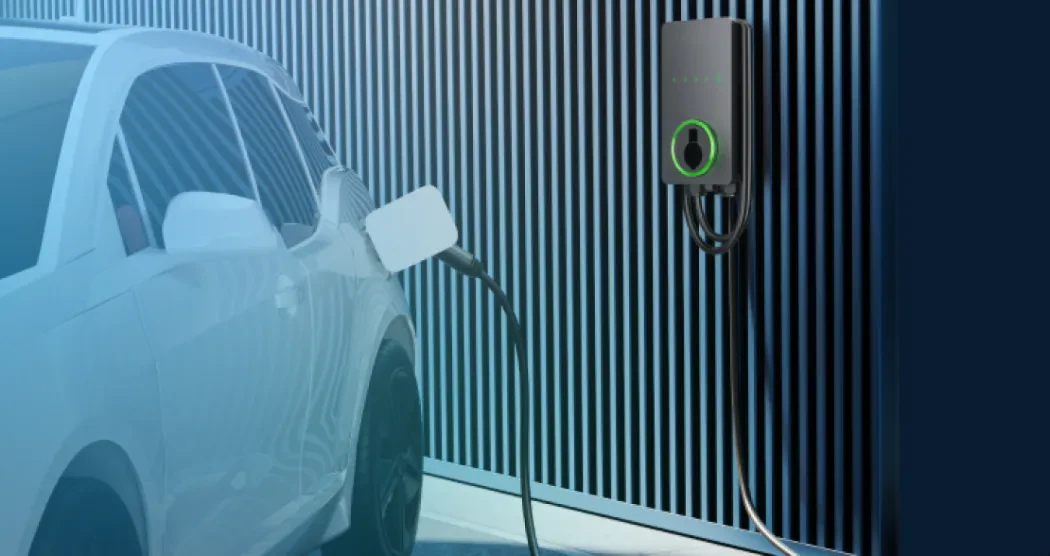
Charging at Home
From Socket to Wallbox: Charging Made Easy
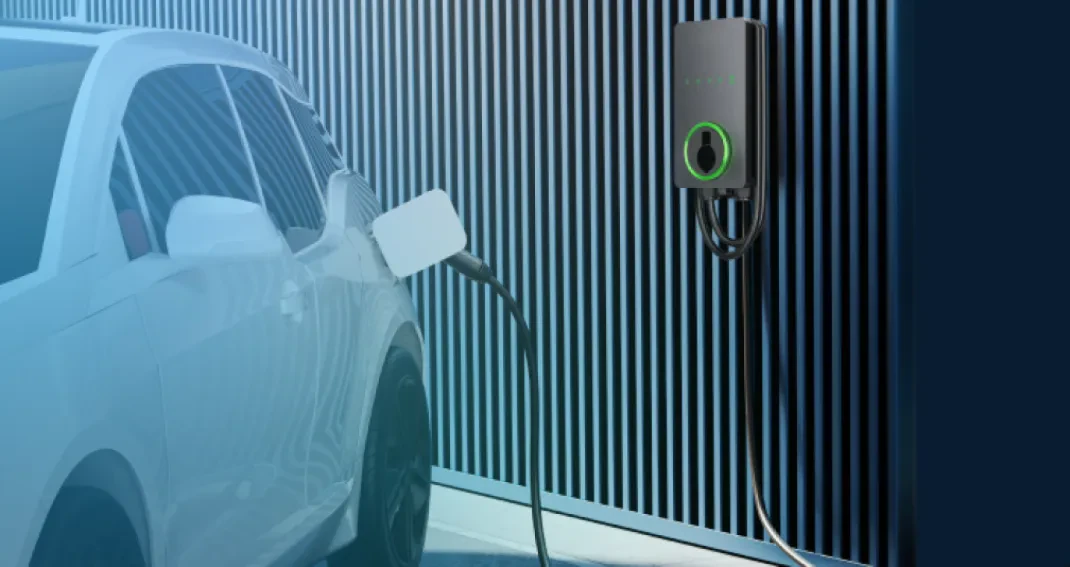
Charging Options at Home
Socket:
Works with a regular outlet, but charges slowly—best for overnight use.
Wallbox:
A safer, faster home charger (7kW or more) that cuts charging time significantly.
Station:
Some homes and buildings install advanced charging stations for maximum efficiency.
Why Home Charging Matters
Affordable:
Electricity at home costs far less than fuel.
Convenient:
Charge overnight and start every day with a full battery.
Flexible:
Great for BEVs, while PHEVs can recharge daily for short, fuel-free commutes.

ACMobility gives EV drivers access to a fast-growing network of public charging stations across the Philippines. You’ll find chargers at malls, grocery stores, parking areas, dealerships, and select expressways—making it easy to top up while you shop, work, or travel.